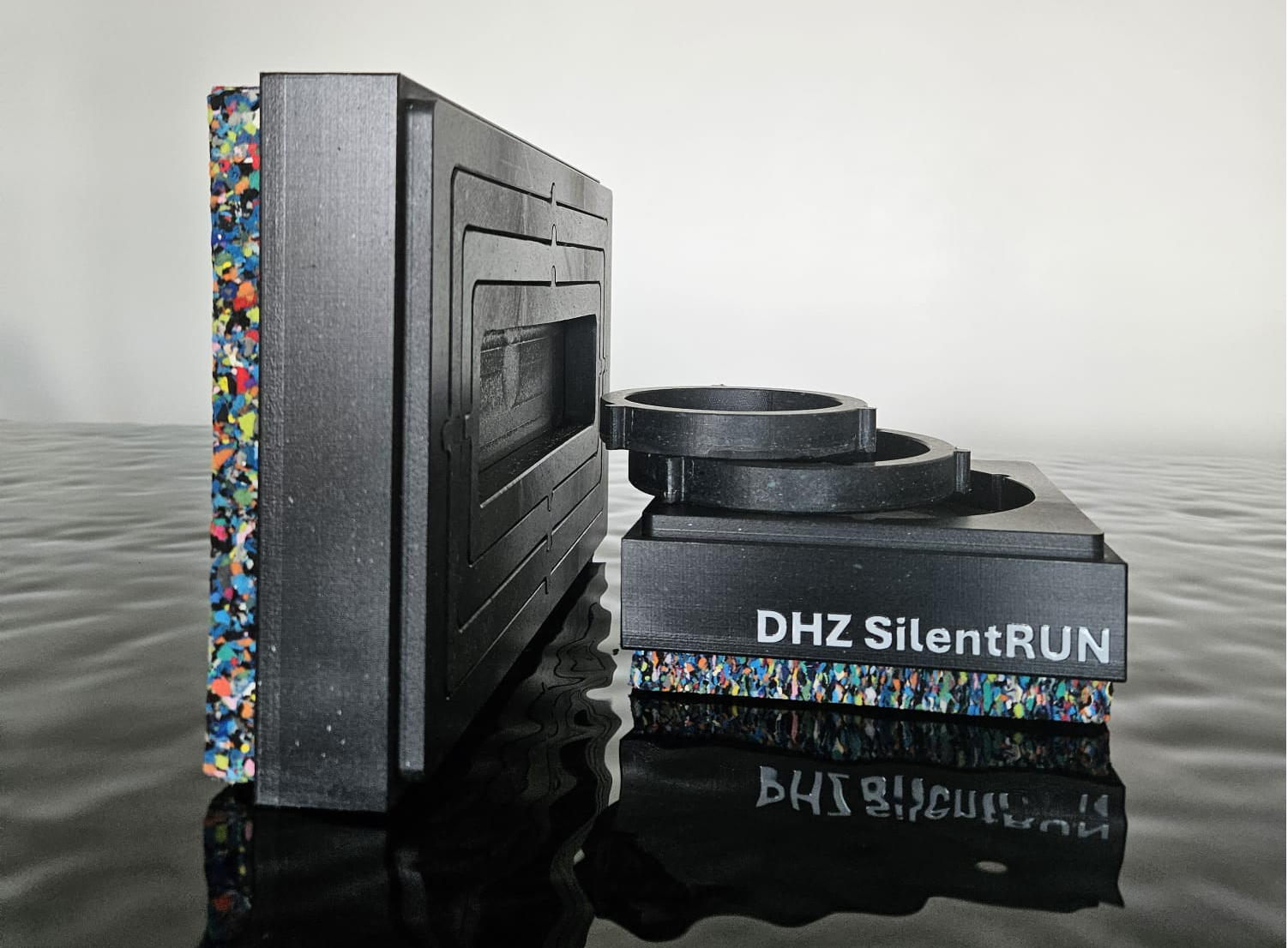
DHZ SilentRun
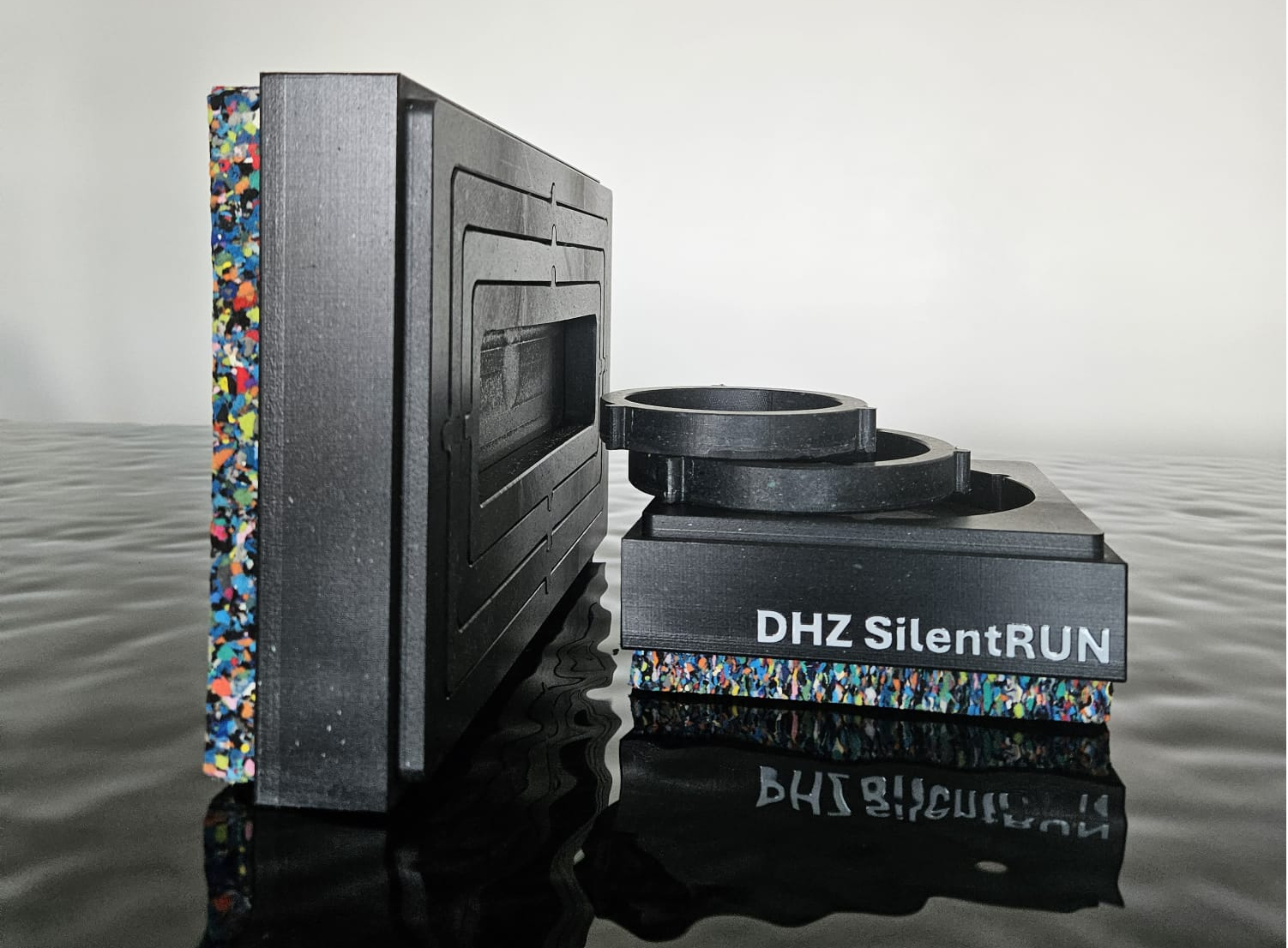
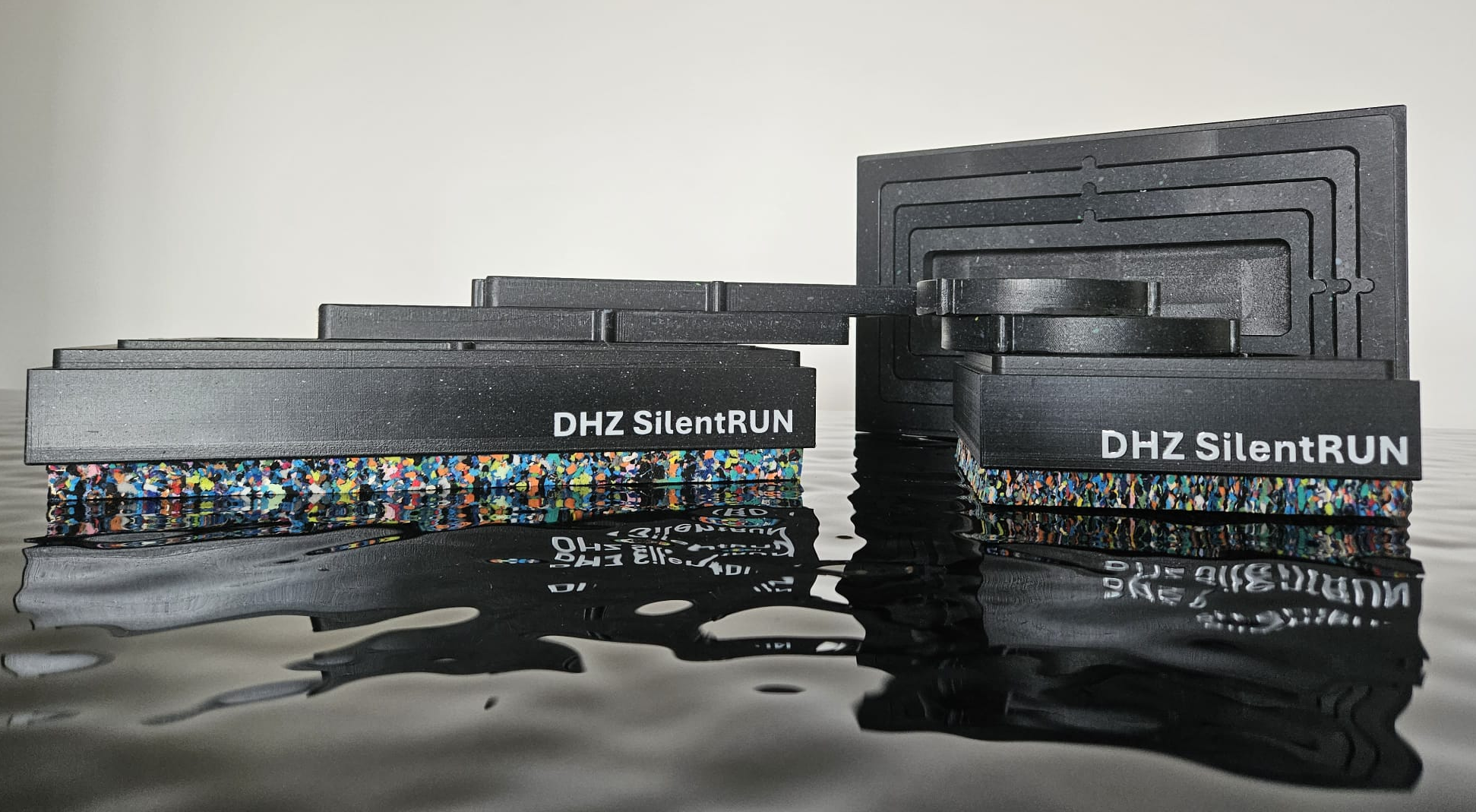
Anti‑Vibration and Noise Treadmill Feet
High‑performance anti‑vibration feet are designed to significantly reduce structure‑borne noise and vibrations generated by treadmills and stairclimbers, especially in commercial gyms, hotels, residential buildings, and mixed‑use environments.
(A) Executive-ready version
The Problem
Treadmills and stairclimbers primarily generate structure-borne noise and vibration through repetitive foot impact.
(1) Vibrations are transmitted into floors and building structures, where they are perceived as disturbing low-frequency noise in adjacent or lower rooms—often leading to complaints, usage restrictions, or the need for relocation.
(2) The resulting noise can be disturbing to other members within the gym, negatively impacting the training experience.
(3) Equipment shifting from its original position during use requires frequent readjustments, increasing maintenance effort and operational downtime.
(4) When multiple machines are installed on mezzanine floors, oscillation and mutual vibration effects can occur, further reducing stability and comfort.
The Solution
Anti-vibration feet decouple the equipment from the floor, absorbing impact energy at the source. This significantly reduces noise transmission, improves user comfort, protects the building, and enables installation in noise-sensitive environments.
Why This Is a Strong Business Case
- Prevents costly complaints and operational restrictions
- Far cheaper than post-installation building retrofits
- Expands addressable markets (hotels, offices, residential, upper floors)
- Protects brand reputation and customer satisfaction
- Low-cost, low-complexity add-on with high ROI
Market Situation
- Only two established solutions exist today (set of 4 feet):
- Premium B2B-only: Getzner g-fit Gear T300 (~€600)
- Premium B2B-only: Akustik GYM T4 BS (~€540)
- Mid-range B2B/B2C: Akustik GYM T4 (~€320)
- This leaves clear space for a competitively priced solution delivering proven, comparable performance.
Proven Performance (manufacturer data)
- Up to 33% vibration reduction
- 8–11 dB noise reduction, depending on structure and speed
Result A small investment in anti-vibration feet delivers measurable acoustic improvement, risk reduction, and broader installation flexibility—making it a high-value, scalable business opportunity.
(B) Detailed Version
The Problem
Treadmills and Stairclimbers generate noise not only through their motors and belts, but primarily through structure-borne vibration created by repetitive foot impact. This vibration is transferred from the treadmill frame directly into the floor and then spreads through the building’s structural elements such as slabs, beams, and ceilings. As a result, what feels acceptable to the user can be perceived as disturbing low-frequency noise or “thumping” in adjacent or lower rooms.
1. Preventing Structure-Borne Noise
Unlike airborne sound, structure-borne vibration travels efficiently through solid materials. Floors and ceilings can act like amplifiers, spreading low-frequency energy far beyond the training area. Anti-vibration feet physically decouple the treadmill from the floor, absorbing impact energy before it enters the building structure and significantly reducing noise transmission to surrounding spaces.
2. Protecting Neighbor Comfort and Avoiding Complaints
In commercial gyms, hotels, offices, and residential buildings, treadmill vibration is one of the most common causes of noise complaints. Footfall vibrations are often felt rather than heard, making them especially intrusive for people below or nearby.
Reducing vibration at the source helps maintain good relationships with neighbors, tenants, and building owners and avoids operational restrictions or forced equipment relocation.
3. Improving Acoustic Comfort Inside the Gym
Lower vibration levels do not only benefit neighboring areas. Inside the training space, reduced vibration leads to a quieter, more stable running experience, allowing users to focus on their workout without distracting structural noise or resonance effects.
4. Protecting the Building and Flooring
Repeated impact loads transmitted directly into the floor can contribute to long-term wear of flooring systems and structural elements. Anti-vibration feet reduce shock loads, helping to protect floors, subfloors, and surface finishes from fatigue and damage over time.
5. Enabling Flexible Equipment Placement
By controlling vibration at the source, treadmills can be installed more flexibly—on upper floors, in mixed-use buildings, hotels, or offices—without requiring costly structural modifications or acoustic retrofitting. This makes anti-vibration feet a simple, cost-effective solution compared to later building interventions.
6. Preventing Equipment Shifting
The risk of the equipment shifting from its original position during use is eliminated, significantly reducing the need for regular readjustments and improving operational stability.
7. Reducing Oscillation on Mezzanine Floors
Equipment movement and oscillation when installed on mezzanine floors is substantially reduced, improving structural stability, user comfort, and operational safety.
In Summary
Anti-vibration feet reduce noise and vibration because they stop mechanical energy at its source. By decoupling the treadmill from the floor, they minimize structure-borne noise, improve user comfort, protect the building, and ensure that fitness areas can operate smoothly in noise-sensitive environments.
Why This Is a Good Business Case
Reducing treadmill noise and vibration at the source is a strong business case because it prevents problems that are expensive to fix later and adds measurable value with low cost and low risk.
1. Avoids Complaints, Restrictions, and Legal Risk
In mixed-use buildings, hotels, and urban gyms, treadmill vibration is a common trigger for noise complaints, operating restrictions, and even contract termination. Studies and industry reports show that structure-borne vibration from cardio equipment travels through floors and ceilings and leads directly to tenant disputes and enforcement actions. Anti-vibration feet address the issue before it escalates, protecting revenue and operating hours.
2. Much Cheaper Than Retrofitting Buildings
Once a gym is operational, fixing noise problems often requires structural upgrades, floating floors, or acoustic rebuilding, which are costly and disruptive.
Industry guidance consistently highlights that source-level isolation is far more cost-effective than later building modifications. Anti-vibration feet provide a low-cost, immediate solution with no construction work.
3. Expands Where Equipment Can Be Sold and Installed
Noise-controlled treadmills can be placed in hotels, offices, residential buildings, and upper floors, where standard equipment would otherwise be rejected. This significantly expands the addressable market for cardio equipment and enables projects that would not be feasible without vibration control.
4. Protects Brand and Customer Satisfaction
Facilities seen as disruptive quickly damage their reputation—especially in premium or hospitality environments. Controlling vibration improves user comfort, neighbor acceptance, and perceived quality, which directly supports brand positioning and repeat business.
5. High Value, Low Complexity Add-On
Anti-vibration feet are easy to install, maintenance-free, and low in cost, yet they solve a problem that operators and property owners care deeply about. This makes them an ideal value-adding accessory with strong ROI for both manufacturers and customers.
What solutions are currently available on the market?
At the moment, there are only two established brands offering comparable solutions on the market. One focuses exclusively on B2B customers and operates at a higher price level (g-fit Gear T300 €600), while the other addresses both B2B and B2C segments with pricing (Akustik GYM T4 €320-€540) that ranges from mid-level to more affordable options.
This market structure creates sufficient space for us to deliver added value by positioning a competitively priced solution that still offers a proven and technically comparable performance to existing products.
https://www.getzner.com/en/products/construction-products/g-fit-gear
https://www.mecanocaucho.com/en/news/akustik-gym-t4-en/?hl=de-AT
These isolation feet decouple the treadmill from the building structure, preventing vibrations and impact noise from being transmitted to floors, ceilings, and adjacent rooms.
Performance (manufacturer-tested)
- Up to 33% reduction of vibration transmission
- Noise reduction up to 8–11 dB, depending on speed and structure
Key Functional Benefits
- Effective vibration isolation Elastic elements made from high-performance polyurethane elastomers (e.g. Sylomer-based materials) reduce the transmission of dynamic loads generated during running and motor operation.
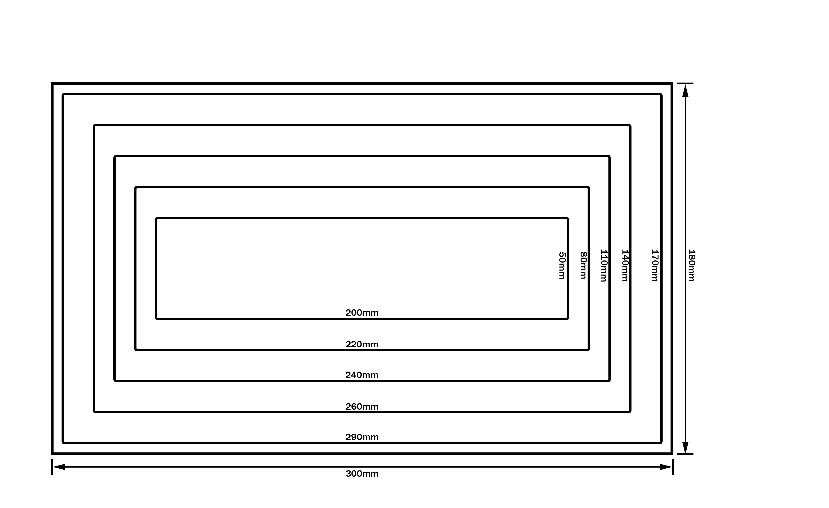
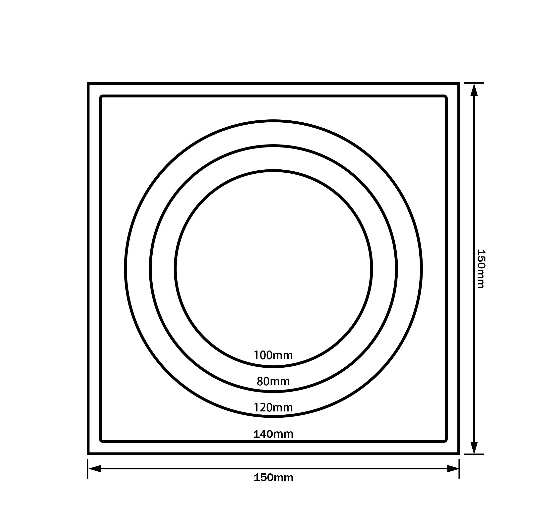
- Adaptable to all treadmill models By removing spacers, the design can be adapted to different treadmill feet and incline wheel types, while allowing reuse across other models in the future.
- Noticeable noise reduction Independent measurements on treadmill isolation systems have shown a significant reduction of structure-borne noise, improving acoustic comfort for users and neighbors below or adjacent to the training area.
- Reduction of resonance effects Treadmills typically generate dominant excitation frequencies around 18 Hz. Properly tuned elastic feet reduce resonance amplification in floor and ceiling structures, limiting vibration build-up in the building.
- Simple retrofit installation The feet are installed under the existing treadmill supports, without structural modifications or downtime. No removal of original feet is required, allowing fast and clean retrofitting.
- Adaptable load distribution Different element sizes and stiffness levels allow adaptation to varying treadmill weights and uneven load distribution (for example, higher loads at the front of the machine).
- Maintenance-free, long service life High-quality elastomer materials ensure stable performance over time without maintenance or degradation under normal gym use.
Typical Applications
- Commercial fitness clubs and studios
- Hotels and residential buildings with upper-floor gyms
- Offices and mixed-use buildings
- Any environment where noise, vibration, and neighbor disturbance must be minimized
Result
By installing anti-vibration treadmill feet, gyms achieve improved acoustic comfort, reduced complaints from surrounding areas, and better protection of the building structure—without compromising training performance or requiring complex installation work.
Ready?
We’d be happy to explore this in more detail with you in a personal conversation.
Your DHZ GIGAFACTORY Sales Team
DHZ SilentRun – Anti‑Vibration and Noise Treadmill Feet
High-performance anti-vibration feet are designed to significantly reduce structure-borne noise and vibrations generated by treadmills and stairclimbers, especially in commercial gyms, hotels, residential buildings, and mixed-use environments.
The Problem
(1) Vibrations are transmitted into building structures
(2) Noise can be disturbing to other members within the gym
(3) Equipment shifting from its original position during use
(4) Multiple machines may create oscillation on mezzanine floors
Performance (manufacturer-tested)
(1) Up to 33 % reduction of vibration transmission
(2) Noise reduction up to 8–11 dB
Why This Is a Strong Business Case
Prevents costly complaints and operational restrictions
Far cheaper than post-installation building retrofits
Protects brand reputation and customer satisfaction
Low-cost, low-complexity add-on with high ROI
Market Situation
Only two established solutions exist today (set of 4 feet):
Premium B2B-only: Getzner g-fit Gear T300 (~€600)
Premium B2B-only: Akustik GYM T4 BS (~€540)
Mid-range B2B/B2C: Akustik GYM T4 (~€320)
Pricing
RSP € 449.-
Exworks € 150.- FOB $100 (min 50 sets)
The Solution
Anti-vibration feet decouple the equipment from the floor, absorbing impact energy at the source. This significantly reduces noise transmission, improves user comfort, protects the building, and enables usage in sensitive environments.
Result
A small investment delivers acoustic improvement, risk reduction, and broader installation flexibility
Sizes
Front feet 300x180x57 mm Rear Feet 150x150x57 mm
Carton Box (Set of 4 pcs) 310x190x195 mm